A crane is essential on almost every construction site. However, choosing the right crane is becoming increasingly complex. Construction sites are becoming more compact, projects follow each other more quickly and efficiency is more important than ever.
As a result, contractors and project developers are looking beyond lifting capacity or hook height alone. They consider the complete lifting solution. This often leads to the same question: should you choose a telescopic crane or a mobile tower crane?
Both crane types have their own strengths. The right choice depends on the lifting activities as well as the way the project is organised.
Two crane types, two different applications
Although telescopic cranes and mobile tower cranes are both used for lifting operations, they have been developed for different purposes. As a result, each crane type offers specific advantages depending on the application.
A telescopic crane excels in flexibility. Thanks to its extendable telescopic boom, heavy loads can be lifted at different angles and positioned in various locations. This makes a telescopic crane particularly suitable for lifting operations that require a wide variety of tasks and setup configurations.
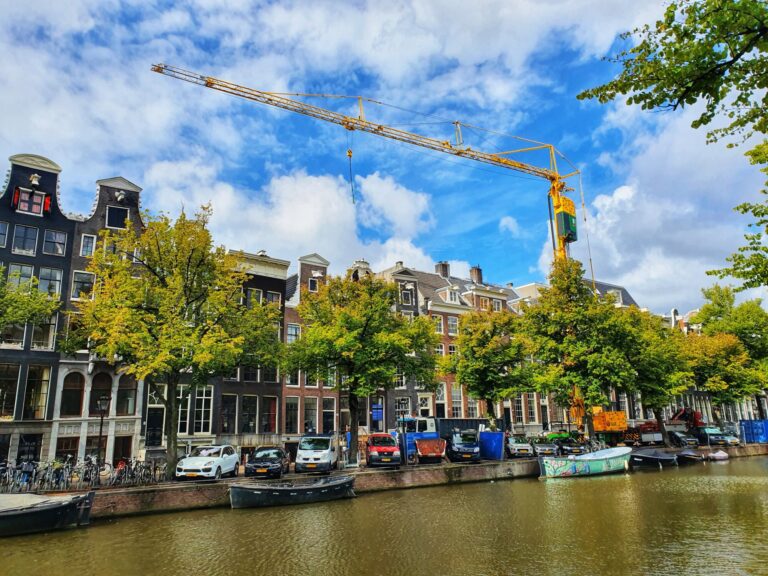
A mobile tower crane, on the other hand, is designed for projects involving a high number of lifting movements throughout the day. Thanks to its horizontal jib, materials can be moved quickly and accurately, helping to create an efficient workflow on the construction site.
Efficiency on the construction site
Modern construction projects are about more than safely moving heavy loads. How efficiently the construction site operates is just as important. Materials need to be available at the right time, different disciplines work simultaneously and project schedules are becoming increasingly tight.
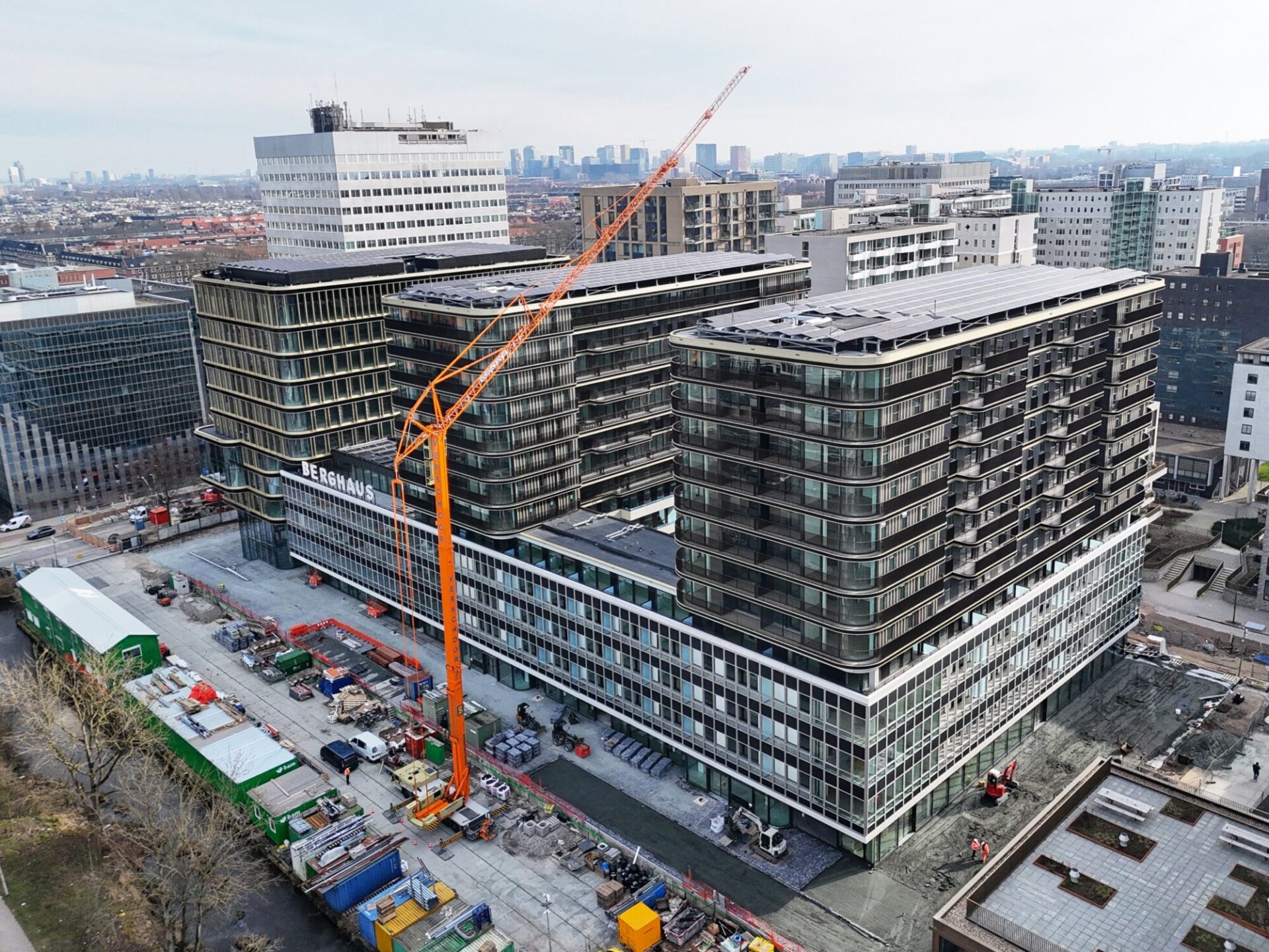
Especially on projects involving frequent and repetitive lifting operations, a mobile tower crane can contribute to a more efficient construction process. By positioning materials quickly and accurately, different construction teams can continue working simultaneously, helping to keep the project on schedule.
Mobility makes the difference
Mobility is also becoming increasingly important when choosing a crane. Construction projects are becoming shorter, cranes are increasingly deployed at multiple locations and efficient logistics planning is becoming more important.
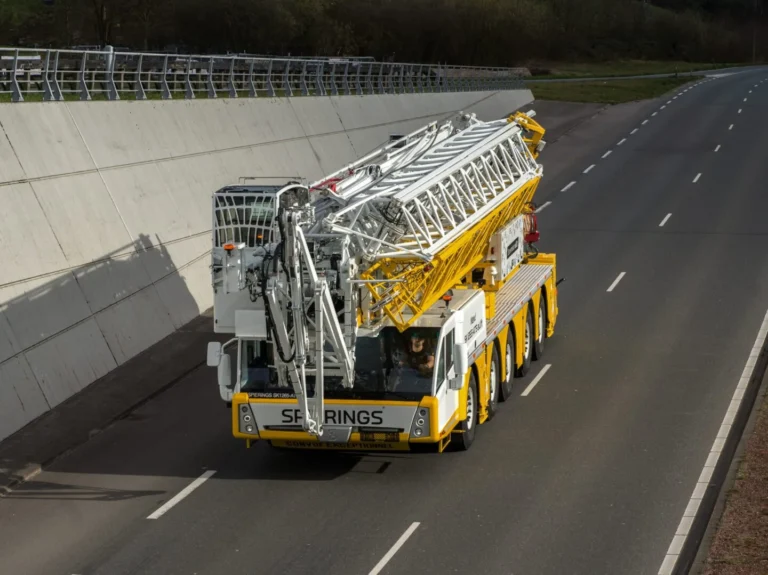
A mobile tower crane combines transport and lifting operations in a single machine. The crane travels independently to the construction site and can be set up and operated by the crane operator. Once the lifting operations are complete, the crane can quickly be prepared for transport to the next project.
This keeps logistics processes straightforward and helps make optimum use of the available time on site.
Which lifting solution suits your project?
Every construction site is different. Factors such as available space, project duration, logistics planning and the nature of the lifting operations determine which lifting solution is most suitable.
While a telescopic crane is often used for lifting operations where flexibility and a wide variety of lifting tasks are key, a mobile tower crane offers particular advantages on projects where efficiency, mobility and high productivity throughout the working day are important.
Both crane types have their own areas of application and often complement each other in practice. Choosing the right crane therefore involves more than lifting capacity or hook height alone. The frequency of lifting movements, available space on site, required flexibility and overall project planning also play an important role.
By considering these factors at an early stage, a lifting solution can be selected that is not only technically suitable, but also contributes to the safe, efficient and future-proof execution of the project.
Smarter lifting starts with the right technology
In addition to efficiency, sustainability and digitalisation are playing an increasingly important role in the construction industry. Innovations such as emission-free lifting and real-time monitoring help construction companies work more efficiently, minimise downtime and reduce their impact on the surrounding environment.
At Spierings, these developments come together in eLift and Smart Connect. With eLift, lifting operations can be performed completely emission-free when grid power is available, while Smart Connect provides real-time insight into crane performance and enables faults to be analysed remotely in many cases.
These innovative technologies contribute not only to higher crane availability, but also to a more sustainable construction site.
The right lifting solution starts with expert advice
There is no standard solution for every construction project. The right choice depends on the lifting activities, available space, logistics planning and required productivity. By carefully considering all these factors, you can select a lifting solution that is not only technically suitable, but also contributes to a safe, efficient and future-proof construction site.
At Spierings, we therefore look beyond technical specifications alone. With decades of experience in mobile tower cranes, our specialists are happy to help determine the most efficient lifting solution for each project. This allows mobility, safety, sustainability and productivity to come together in the best possible way.
Curious which mobile tower crane is the best fit for your project? Explore our mobile tower cranes or contact one of our specialists.